
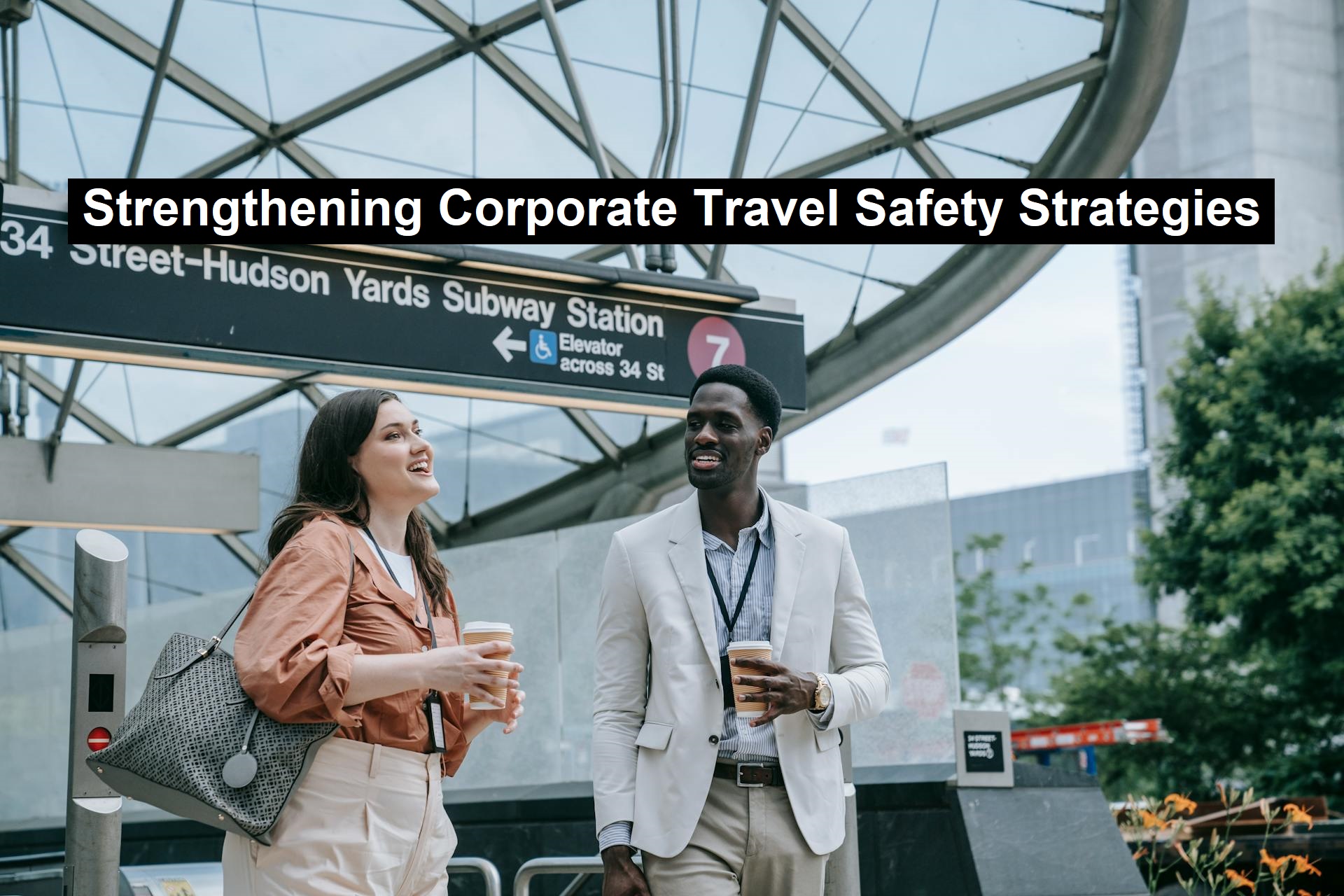
Corporate travel is essential for building partnerships and pursuing growth opportunities, but it also introduces unique challenges and risks. With political instability, health crises, natural disasters, and cyber threats on the rise, safeguarding employees during business trips is a critical responsibility for organizations operating in a globalized world.
Understanding Duty of Care
Employers have a legal and ethical duty of care to protect their employees from foreseeable risks while traveling. Adopting Modern Risk Management strategies is crucial for ensuring comprehensive Corporate Travel Safety, utilizing real-time threat intelligence and proactive planning to protect employees on business trips. This begins with establishing clear travel policies, performing risk assessments for each destination, and providing employees with thorough safety briefings. A proactive approach to travel safety not only mitigates risks but also strengthens trust and morale among employees, knowing their well-being is a company priority.
Read: Why ESG Data is Key for Modern Risk Management
Implementing a Comprehensive Risk Management Plan
An effective travel risk management program includes measures to address emergencies and unforeseen issues. Companies should maintain 24/7 support lines, create detailed contingency plans, and offer travel insurance covering medical emergencies, lost luggage, and cancellations. Technology, such as GPS tracking, safety alert apps, and secure communication tools, empowers organizations to respond rapidly to issues faced by employees on the road.
Educating Travelers for Confidence and Preparedness
Educating employees before travel is an integral part of reducing risks. They should understand local customs, laws, and potential dangers at their destination. When considering Career Changes that involve increased travel, individuals must carefully assess the implications for their Corporate Travel Safety and ensure their new role or company prioritizes robust safety protocols and duty of care. Providing tips for avoiding unsafe situations, staying vigilant online to protect sensitive data, and practicing good health habits ensures they feel equipped and prepared for their journey.
Focusing on Transportation Safety
Reliable transportation is key to minimizing risks, particularly in unfamiliar regions. Partnering with a vetted chauffeur service or reputable transportation providers can reduce exposure to unsafe environments. Offering clear guidelines for choosing safe transit options reinforces the organization’s commitment to employee safety.
By prioritizing detailed planning, risk management, and employee education, businesses can ensure their corporate travelers remain secure and productive. Comprehensive safety protocols not only protect employees but also promote confidence and efficiency during business trips. Creating Unforgettable Brand Experiences for employees often involves corporate travel, making robust Corporate Travel Safety protocols an essential component to ensure well-being and protect the company’s reputation.
For more resources on corporate travel security, explore the accompanying guide.